
What is the Livelihood Program?
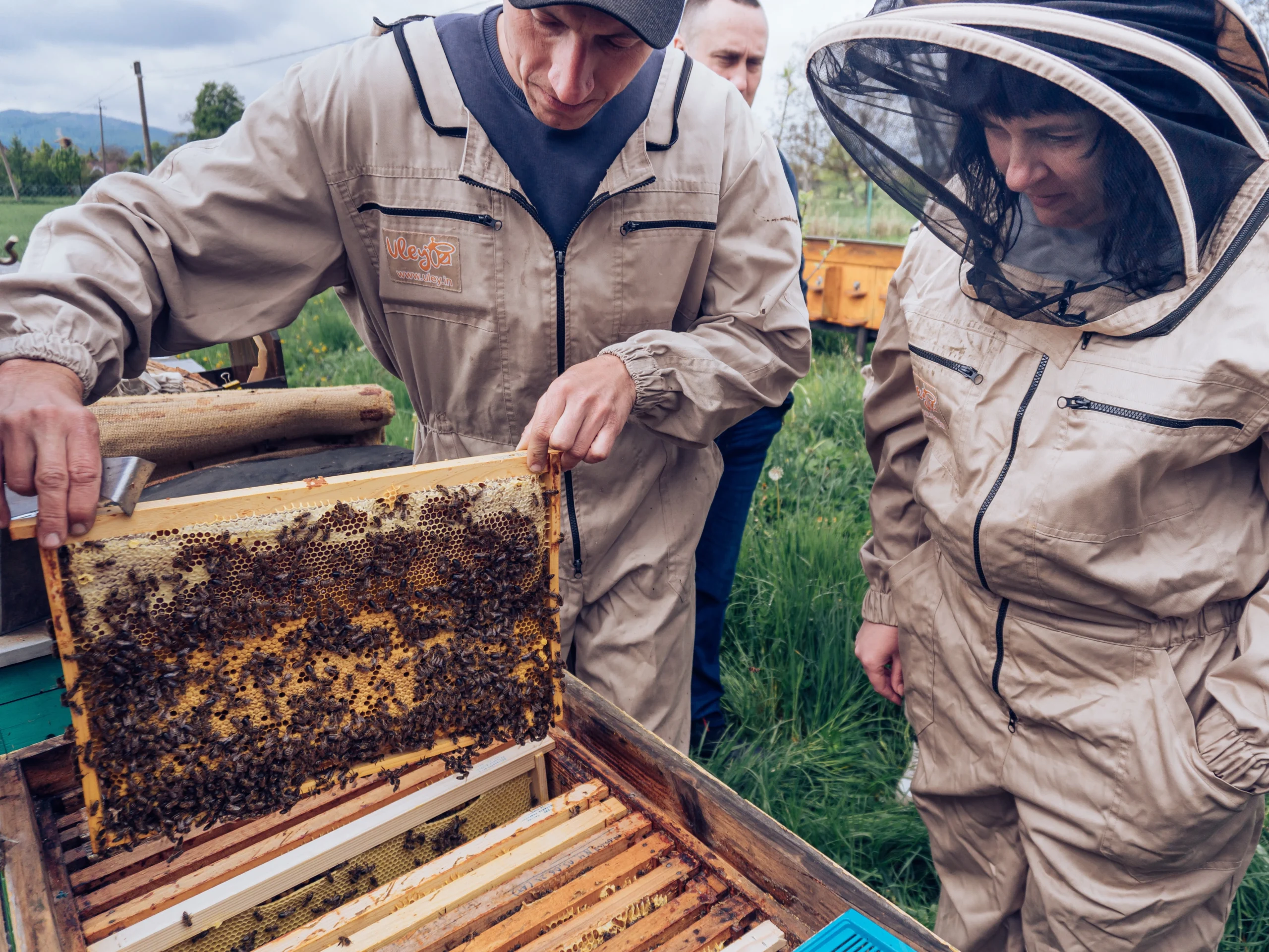
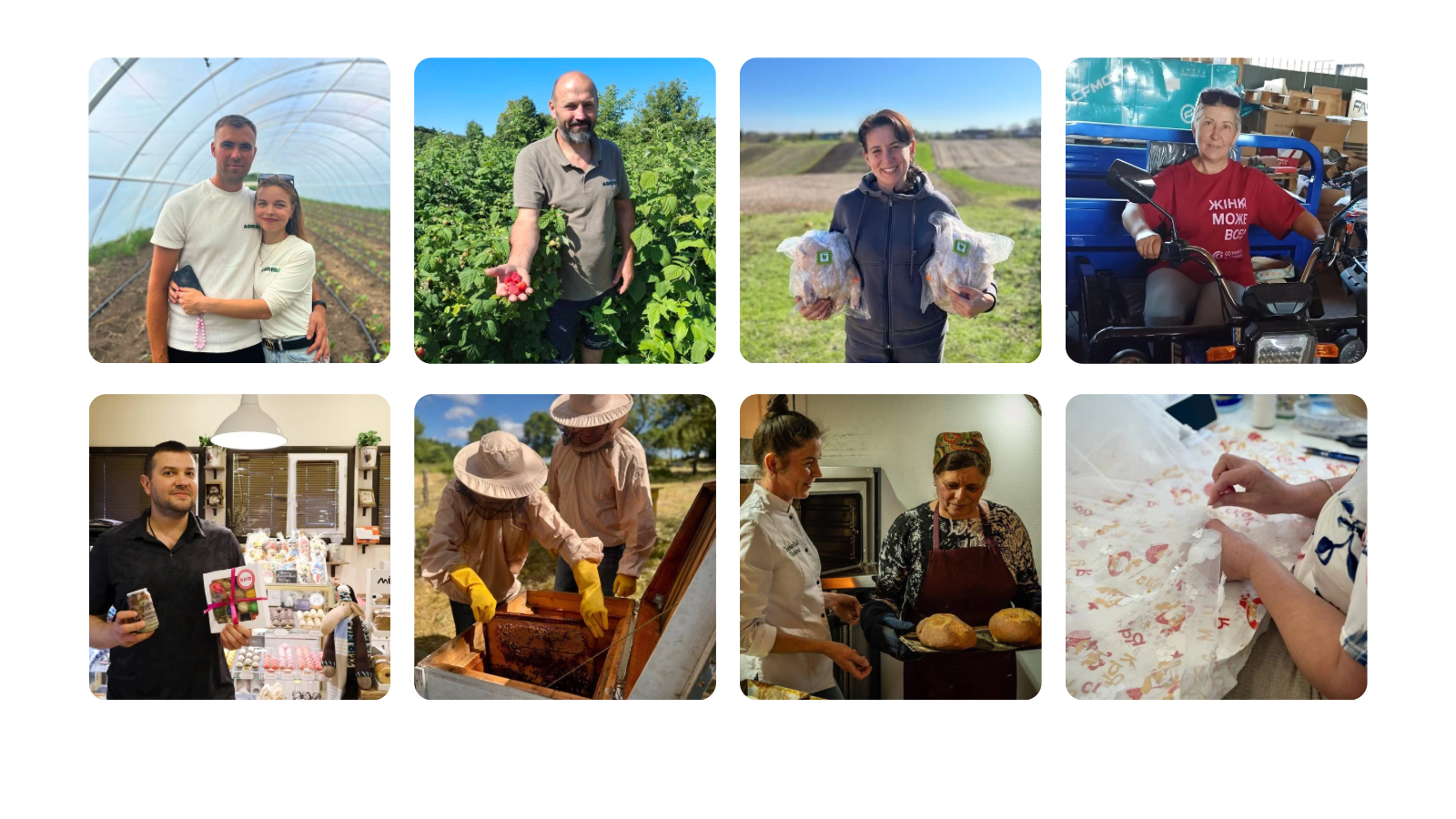
The Livelihood Program at Caritas Ukraine is an assistance approach focused on creating sustainable income sources and self-sufficiency for vulnerable population groups.
How? Through employment, vocational training, business development, and support for farmers. This enables people to independently meet their basic needs and gradually become independent from aid.
The program empowers people and makes them self-sufficient, leading to economic stability and better lives in communities.
Livelihood Support
From the beginning of 2025, 1953 livelihood services were provided, in particular:
Key Program Services (Activities)
- Cash for Work (CfW) — A temporary employment format that offers three-month employment opportunities for individuals from vulnerable groups. This enables them to regain lost skills or gain new professional experience in local labor markets. Beneficiaries of this program perform socially significant work for the community, contributing to its development.
- Cash for Job (CfJ) — Employment placement for vulnerable individuals in existing positions within companies, institutions, and organizations. Caritas provides financial support to employers (salary grants) for three months, and over 75% of the employees remain in their roles afterward.
- Technical and Vocational Education and Training (TVET) — Organization of specialized training and retraining programs.
- Agricultural Grants and Training — Micro-grants for rural residents to purchase livestock, poultry, feed, fertilizers, and other supplies, along with training to improve agricultural practices.
- Livelihood Grants — Micro-grants to help individuals develop personal ventures or small businesses, such as opening a nail salon or providing accounting services — activities that require minimal investment. These grants can be used in both urban and rural areas.
- Coworking Spaces — Creation of workspace opportunities for all interested individuals.
- Livelihood Center Services — Establishment of business centers in smaller communities where people can form business networks, find employment, recruit staff, seek partners, and receive support from Caritas in organizing business operations.
- Business Training — Customized training sessions for specific groups, incorporating modern practices and approaches within incubation and acceleration programs.
- Mentorship Support — Individual consultations and guidance from experienced experts to support business development and address specific challenges, with consideration for current trends and participant needs.
- Business Grants (MSME) — Financial support for micro, small, and medium enterprises to foster development, scale operations, implement innovations, and enhance competitiveness.
Projects
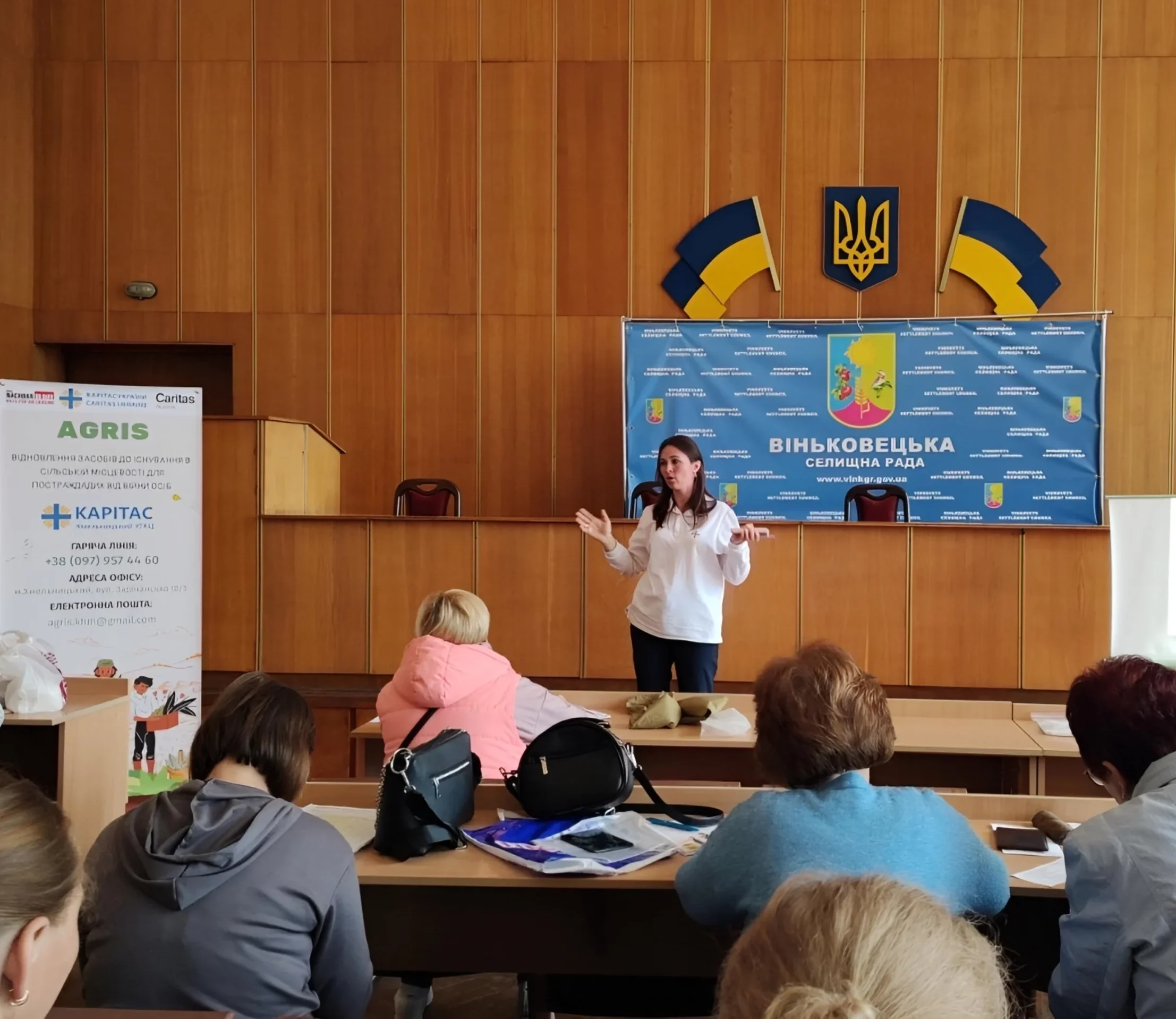
Livelihood projects are primarily implemented in regions that have:
- Experienced and capable teams from local Caritas organizations able to manage a complex system of long-term work with beneficiaries;
- Proper risk assessments: depending on geography and proximity to conflict zones, livelihood projects may include various phases and activities, such as humanitarian, stabilization, and development. The more stable the region, the greater the response and range of activities;
- Established communication and cooperation with local authorities, communities, and other non-governmental organizations.
AGRIS 3
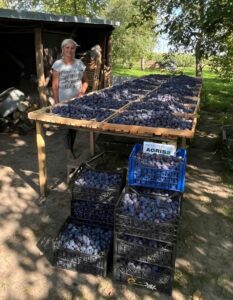 The project “Empowering Ukrainian women and single-headed households through sustainable farming and trade skills. AGRIS 3” will restore small-scale farming systems and livelihoods, reinforce food security, and
reduce reliance on humanitarian aid in Ukrainian rural communities, especially in female-headed
households.
Project Duration: 12 months (1 November 2025 – 31 October 2026)
Regions: Khmelnytskyi
Financial Support: Development and Peace
Activities
- Provision of technical information and trainings on agricultural technologies and strategies.
- Provision of mentoring support through consultations, practical guidance, and advice on achieving success in agricultural activities.
- Provision of mini-cash grants for individual family farming and personal household consumption.
- Providing business cash grants for the restoration or expansion of home-based rural households to strengthen family economic status.
SCALE
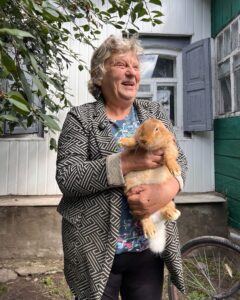 The SCALE project (Scaling Agricultural Resilience & Livelihood Enhancement) aims to support rural households engaged in agriculture not only to meet their own needs, but also to generate income.
Project duration: April 2025 – April 2026
Regions: Kharkiv region (Zmiiv and Maltnivka communities), Poltava region (Poltava and Hlobyn communities).
Financial support: Catholic Relief Services (CRS)
Activities
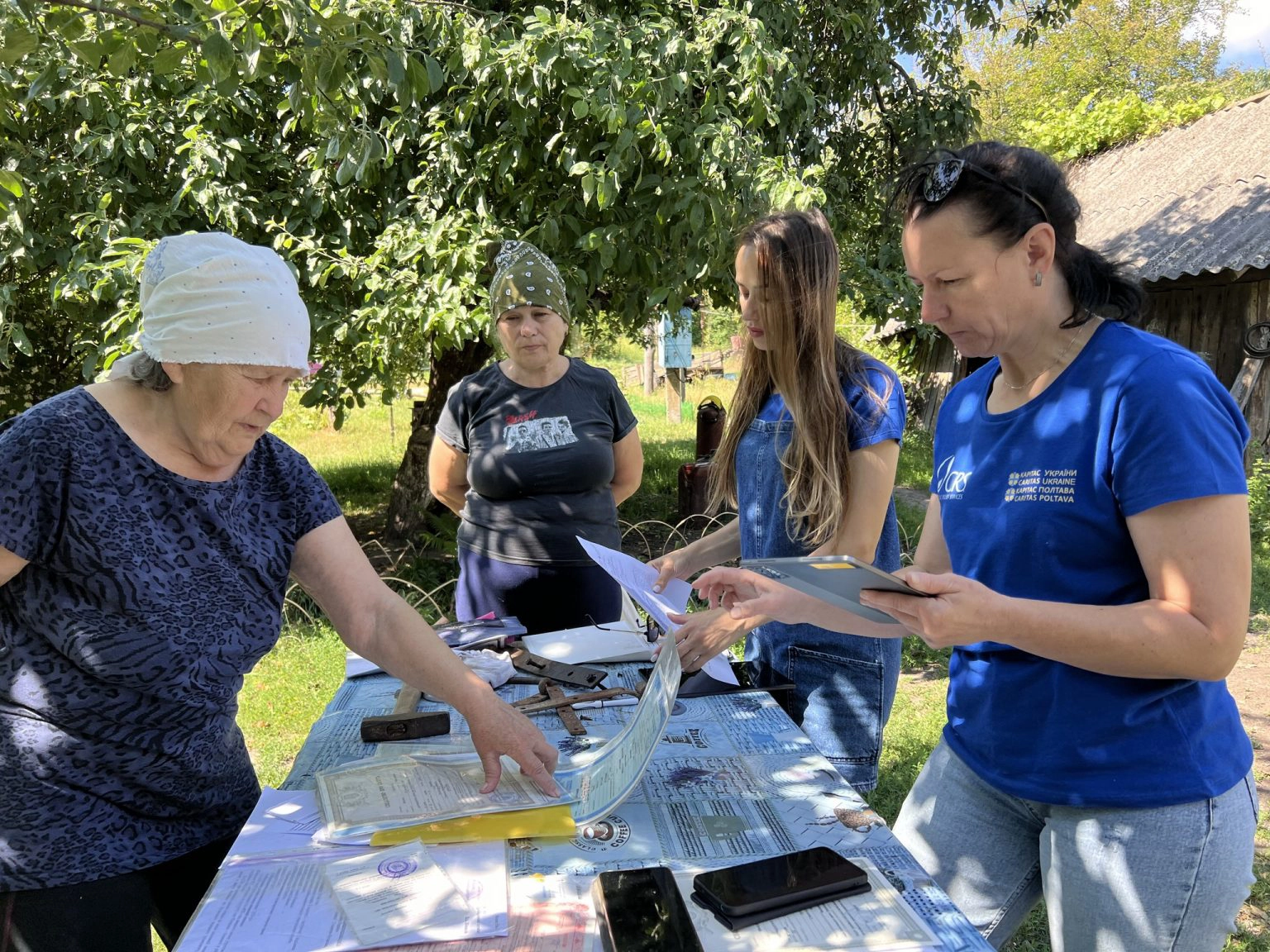
- Multipurpose agricultural grant (from 33,000 to 125,000 UAH) for the purchase of seeds, fertilizers, small livestock, animal feed, equipment, as well as for minor and medium repairs of agricultural infrastructure damaged by military operations and restoration of irrigation systems.
- Multipurpose grant to improve market access and increase the added value of agricultural products (16,500 UAH) – financial support for food processing and transportation costs.
- Training sessions – training for households aimed at developing agricultural potential and improving agricultural practices.
BLOOM
 The Building Livelihoods and Opportunities for Optimised Markets (BLOOM) Program aims to provide resilience support to improve food security and self-reliance of vulnerable, war-effected households and communities by protecting and restoring their food-production and livelihoods.
Program Duration: 01.09.2025-28.02.2026
Regions: Mykolaiv, Kherson, and Odesa regions
Financial Support: Mercy Corps
Activities
- Provision of technical information and trainings on agricultural technologies and strategies.
- Individual cash assistance to support self-employed individuals and microbusinesses affected by the war.
REMARKET
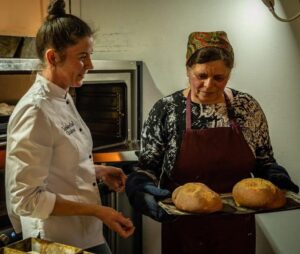 The REMARKET project (Recovery and Empowerment through Market Access and Resilient Economic Transformation in Ukraine) aims to enhance business operations, resilience, and income-generating opportunities for 150 micro, small, and medium enterprises (MSMEs) owned by internally displaced persons (IDPs), returnees, and members of the host community. By 2027, it also seeks to increase income opportunities for 1,000 IDPs, returnees, and host community members by supporting sustainable employment.
Project Duration: 01.08.2024 – 31.07.2027
Regions: Dnipro, Kolomyia, Khmelnitskiy, Lviv, Odesa regions
Financial Support: Caritas Schweiz, Swiss Agency for Development and Cooperation (SDC), If! Foundation (IF), Caritas Österreich, Cordaid, Trocaire
Activities
- Provision of business grants (MSME) to support development, scaling, innovation implementation, and competitiveness enhancement of micro, small, and medium enterprises.
- Cash for Job (CfJ) employment placement for vulnerable individuals in existing positions within companies, institutions, and organizations.
- Employment support for grant recipients through job placement assistance and connection to local labor market opportunities.
- Business mentorship and consulting services providing individual guidance from experienced experts.
- Employment counseling and career guidance services to assist beneficiaries in job search, skills assessment, and professional development planning.
- Technical and Vocational Education and Training (TVET) programs including specialized professional training and retraining courses to enhance employability and entrepreneurial skills.
Previously implemented projects
AGRIS 1
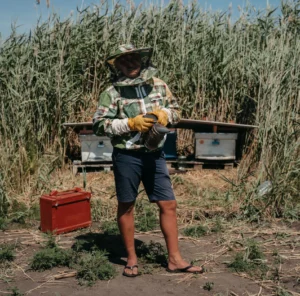
The project “Agricultural livelihood support for conflict affected communities in Ukraine.AGRIS” is dedicated to restoring the livelihoods of IDPs residing in rural areas and supporting local populations by providing targeted grants for agricultural production to enhance their economic situation.
Project Duration: 9 months (February 15 – November 15, 2024)
Regions: Poltava and Khmelnytskyi
Financial Support: Caritas Austria and Neighbour in Need (NiN)
Activities
- Provision of technical information and trainings on agricultural technologies and strategies to increase awareness of agricultural technologies, strategies etc.
- Provision of mini-cash grants to the households in two regions for individual family farming and personal household consumption.
- Providing business cash grants to the households in two regions for the restoration or expansion of home-based rural households to strengthen family economic status.
AGRIS 2
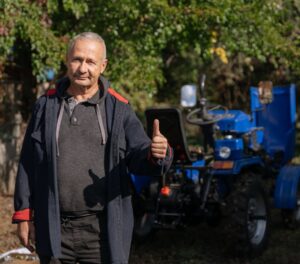 The project “AGRIS 2 – Agricultural livelihood support for conflict affected communities in Ukraine” focuses on restoring economic self-sufficiency for vulnerable internally displaced persons (IDPs) and host communities in rural areas through cash grants, trainings and mentorship.
Project Duration: 9 months (15 November 2024 – 30 September 2025)
Regions: Poltava and Khmelnytskyi
Financial Support: Caritas Austria
Activities
- Provision of technical information and trainings on agricultural technologies and strategies.
- Provision of mentoring support through consultations, practical guidance, and advice on achieving success in agricultural activities.
- Provision of mini-cash grants to the households in two regions for individual family farming and personal household consumption.
- Providing business cash grants to the households in two regions for the restoration or expansion of home-based rural households to strengthen family economic status.
SARI
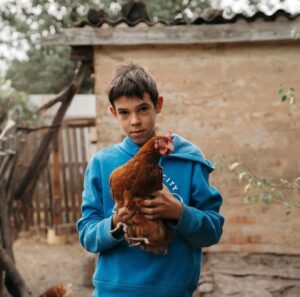 The SARI project (Subsistence Agriculture Resilience Initiative) aims to provide comprehensive support to farming households affected by the war to restore their livelihoods and enhance their resilience.
Project Duration: 8 months (April 15 – December 15, 2024)
Regions: Kharkiv and Poltava
Financial Support: Catholic Relief Services (CRS)
Activities
- Cash assistance packages in three areas (crop production, poultry farming and animal feed/repairs).
- Assistance from an agricultural expert. Receiving individual technical assistance to improve farming methods.
ELIS
 The ELIS project — Urgent Livelihood Assistance to Communities Affected by the War in Ukraine — is focused on supporting small businesses and providing employment opportunities for vulnerable populations. A crucial component of the project is continuous monitoring, research, and analysis of the data collected.
Project Duration: 7 months (July 15, 2023 – February 15, 2024)
Regions: Lviv, Ivano-Frankivsk, Poltava, Khmelnytskyi, and Odesa
Financial Support: Caritas Switzerland, Cordaid, Catholic Relief Services (CRS), Caritas Austria
Our Partners
Due to its duration and deep impact on the lives of beneficiaries, the Livelihood program requires significant funding. Implementing support projects would be impossible without the stable assistance of our partners: Caritas Switzerland, Cordaid, CRS, Caritas Austria, Trocaire, USAID, Caritas Norway (supported by Caritas Norge and funded by Norway’s government agency Norad), Neighbour in Need (NiN), and Caritas Internationalis.






Key Achievements
- Established close collaboration with the National Office of Caritas Ukraine and donor representatives, facilitating more effective and coordinated assistance.
- Implemented consolidated approaches to aid provision and avoided duplication of efforts.
- Developed methodological materials and assistance strategies within the livelihood program framework.
- Fostered cooperation with local businesses and authorities and created relevant agreements.
- Organized and conducted training sessions for relocated and local enterprises and selected business grant recipients.
- Streamlined the registration process for beneficiaries, including through the use of the “Diia” application.
- Conducted monitoring visits to beneficiaries to assess changes in their lives after receiving grants.
- Received positive feedback from city councils and community leaders, along with requests from other communities to implement the project in their areas.
- Achieved high reporting compliance among beneficiaries (both mini-grants and business grants).
- Developed the AgroGuide — methodological recommendations on managing household farming.
- Most beneficiaries spent their received funds completely and effectively.
With each new project, the implementation of these modalities becomes increasingly effective, providing substantial assistance to the most vulnerable groups in Ukraine affected by the war. The success of current projects also paves the way for planning new stages and livelihood initiatives like REMARKET, aimed not only at providing support but also finding long-term solutions.
Current Needs and Challenges
The Livelihood projects highlight the need not only for humanitarian assistance but also for a transition to more sustainable solutions in response to the crisis in Ukraine. This “transition” has led to several key challenges:
- On one hand, there is a high demand for new jobs, but on the other hand, a shortage of qualified workers for businesses.
- Taxation of business grants, particularly for the local population.
- The wage amounts designated for salaries within the CfW/CfJ framework are insufficient for beneficiaries; some communities are hesitant to participate in projects due to these limited funds.
- Establishing close collaboration with beneficiaries, local businesses, local authorities, employment centers, NGOs, and educational institutions.
- The need for developing methodologies and organizing operations for the first livelihood centers.
- Ensuring modern approaches in training for in-demand professions.
- An ongoing need for labor market research.
Beneficiary Stories
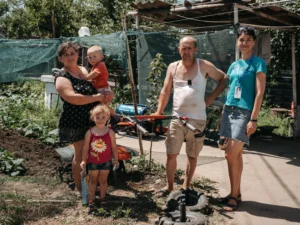
When hostilities began, Yurii and his large family found themselves trapped in occupied territory. Due to continuous shelling and a lack of transportation, they were unable to evacuate and had to live in a basement for nearly two months, with minimal access to food and water. Upon relocating to Poltava, Yurii, his pregnant wife, two young children, elderly mother, and brother with disabilities settled in a school gym.
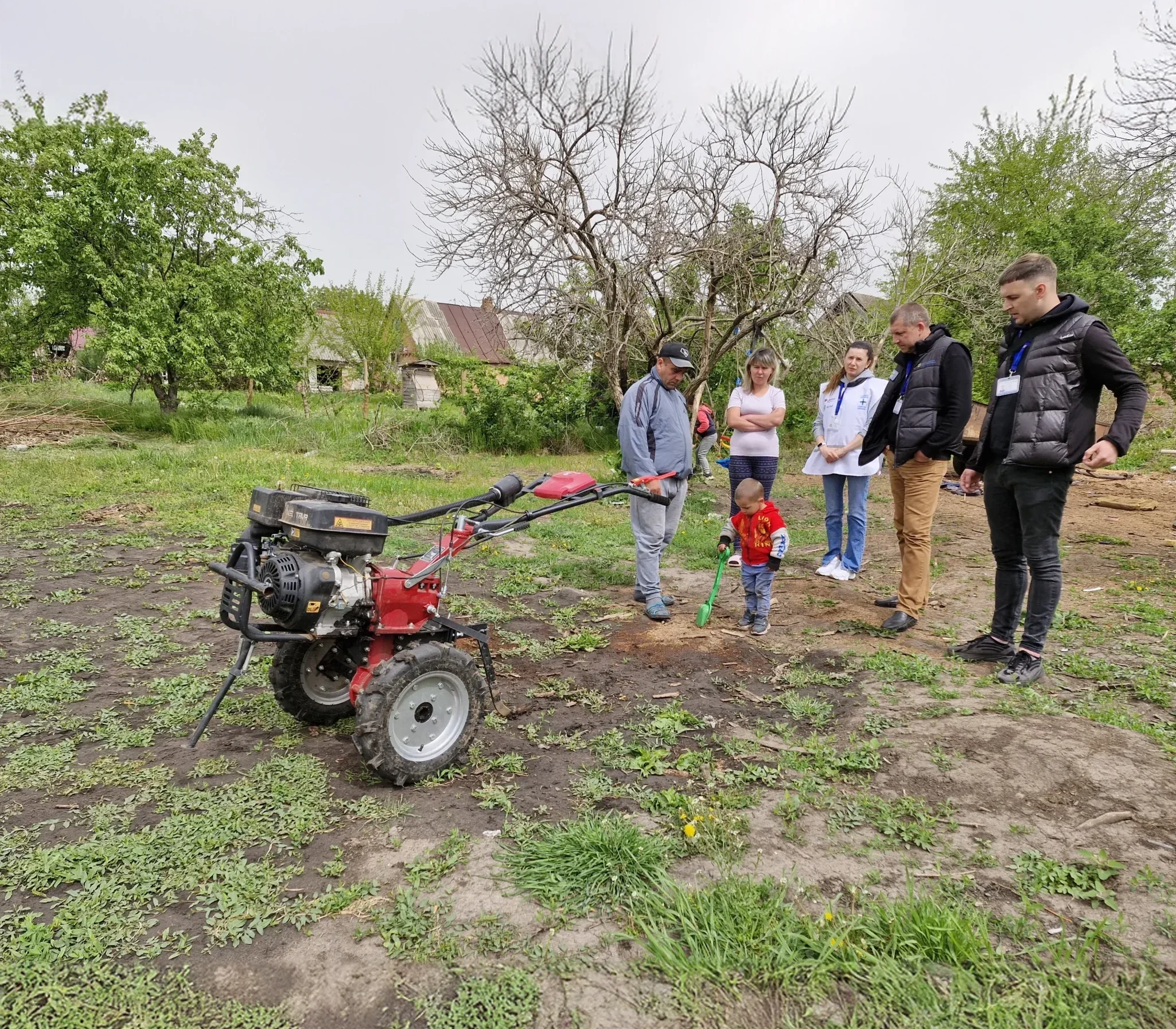
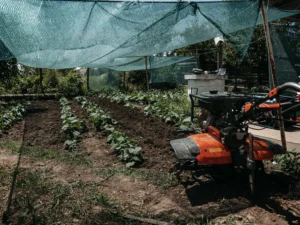
Yurii’s journey with Caritas Poltava began with a request for temporary housing assistance, as it was impossible for the family to continue living on the gym floor. With support, Yurii was able to rent a private home and start building a more stable life: he tended a neglected plot on the property, later building a greenhouse, cultivating a neighbor’s field, and ultimately applying to Caritas Poltava’s AGRIS project to acquire a motor tiller to ease his physical labor.
Thanks to grant funds, Yurii’s family was able to purchase a tiller with attachments, as well as chicks and feed for them. Yurii has since planted a large garden, harvesting crops and building a more secure future for his family.
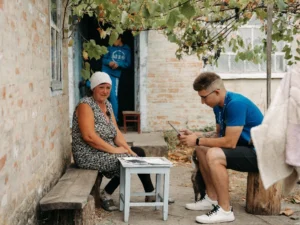
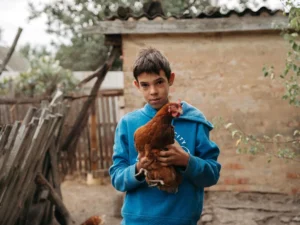
Olha Mykolaivna and her grandson Bohdan were forced to leave their home in Dergachi, Kharkiv region, as it was uninhabitable due to roof damage and shattered windows. After relocating, they sought help from Caritas Poltava and registered to participate in the SARI program.
With two cash assistance packages for poultry and feed, Olha Mykolaivna and her grandson took significant steps forward. They expressed deep gratitude for this timely support, which became a lifeline for their farm.
“We are very grateful for the SARI project,” shares Olha Mykolaivna. “It allowed us to regain confidence in the future. Without this help, we wouldn’t have been able to continue raising chickens, which are the foundation of our household. Thanks to the funds, we could provide feed, and now our farm is gradually recovering.”
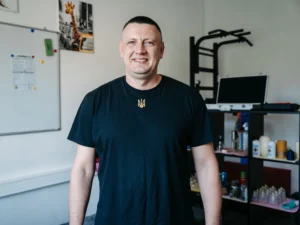
Dmytro, a rehabilitation specialist by training, balanced his work at a café with volunteer efforts, helping friends recover from serious injuries, strokes, and wounds. Through his wife, who serves in the military, Dmytro interacted with many service members and recognized an increasing demand for rehabilitation services.
Searching for support for his initiative, Dmytro discovered Caritas, an encounter that allowed him to realize his dream. Through the project, he was able to employ three internally displaced individuals who continue working with him today.
With grant funds, Dmytro acquired essential equipment like couches and exercise machines. Dmytro’s future plans include further training, expanding his team, and growing the business he has always dreamed of.
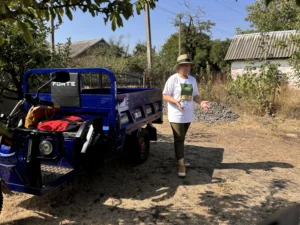
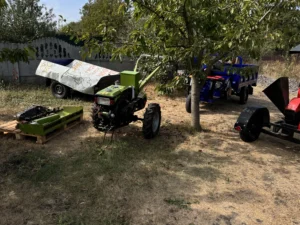
Lidiia and her husband Vitalii, both of whom are persons with disabilities, began their business in 2021, supplying their community with heating materials. However, the full-scale invasion disrupted their established routine. Vitalii was called to military service, during which his health deteriorated, leading to a period of hospitalization and rehabilitation. Although his health was restored, their business suffered.
Owning several plots of land and with experience in cultivating crops, the couple decided to shift focus to agriculture. With the support of the AGRIS project, they applied, completed training, and after consulting with lecturers and experts, chose to grow early-season potatoes and corn, which have high demand.
Using grant funds, the couple bought a tricycle for delivery, a motor tiller, and a plow attachment. True entrepreneurs at heart, Lidiia and Vitalii are ambitious about their future, eager to experiment with new crops and expand their offerings.
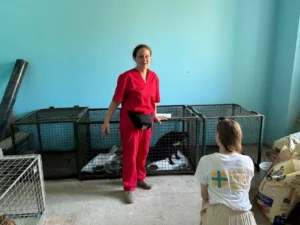
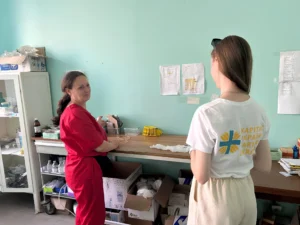
Nadiia relocated to the village of Krasnosilka with her nine-year-old son from Donetsk. Facing financial difficulties, their only source of income was a child support allowance of 1,583 UAH.
Through the ELIS Project by Caritas, specifically the “Cash for Work” component, Nadiia was employed at the Municipal Center for Environmental Safety of the Odesa City Council, where she prepares the operating room and assists surgeons during surgeries. Her contract was initially set for three months.
After two months of dedicated work, the management decided to offer Nadiia a permanent position as a medical assistant. Thanks to the ELIS Project, Nadiia secured the long-awaited, much-needed job.
programs

 Livelihood
 Multipurpose Cash Assistance (MPCA)
 Social Ministry
 Volunteering

 Navigation





Social Impact
The implementation of the Livelihood program in territorial communities has several positive outcomes for society: